

Odisha Assembly Passes Historic 33% Women’s Reservation Resolution in 14 Hour Session
In a record 14 hour session, the Odisha Assembly passed a resolution for the early implementation of the Nari Shakti Vandan Act. Chief Minister Mohan Charan Majhi highlighted a ₹1.22 lakh crore gender budget and the need to boost women's representation beyond the current 11 members.

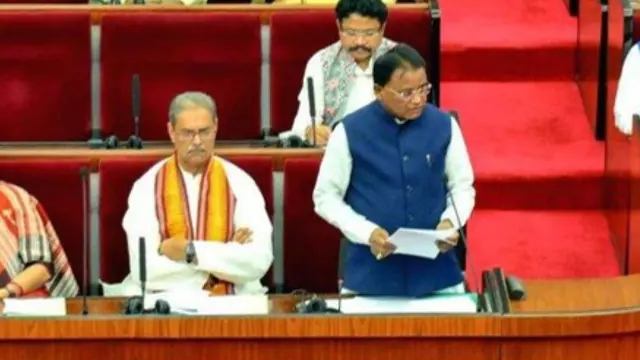
The Odisha Legislative Assembly just pushed through a major resolution, urging the immediate rollout of the Nari Shakti Vandan Adhiniyam — the Women’s Reservation Act. This move happened after a special session called “Role of Indian Women in Strengthening Democracy.” The debate lasted 14 hours and 45 minutes, kicking off at 11 AM Thursday and wrapping up well past midnight at 12:45 AM. That’s one of the longest assembly sittings Odisha has ever seen.
During the session, Chief Minister Mohan Charan Majhi highlighted the urgent need for the Act, He pointed out that women’s representation in the state assembly has dropped sharply — there are only 11 women legislators now, compared to 18 in the previous term. He stressed that although women make up nearly half the population, they’re still holding only 15–20% of legislative seats nationally. Majhi credited the 2023 Union Government legislation for setting a clear path to secure 33% reservation for women in both the Lok Sabha and State Legislative Assemblies.
The debate saw intense participation from 34 to 40 MLAs across all political parties. The opposition — BJD and Congress — agreed with the heart of the resolution, but questioned the timing. They warned that tying the reservation to the post-2026 census and delimitation could drag the process out unnecessarily. They also took the opportunity to remind everyone that Odisha has a legacy in empowering women at the grassroots level, citing the earlier decision under past leadership to bump women’s reservation in Panchayati Raj institutions up to 50%.

The resolution didn’t just focus on legislative quotas. It spotlighted the state’s financial commitment to women’s empowerment. Majhi highlighted the ₹1.22 lakh crore allocation for women-centric programs in this year’s budget, which is a 30% jump in gender-focused spending. Initiatives like Subhadra Yojana, the Lakhpati Didi program — meant to uplift 17 lakh women — and the Mukhyamantri Kanya Bibaha Yojana are now cornerstones of this economic push. The session wrapped with a call for every political party to voluntarily offer at least a third of their tickets to women in upcoming elections, bridging the gap before the law officially kicks in.
