

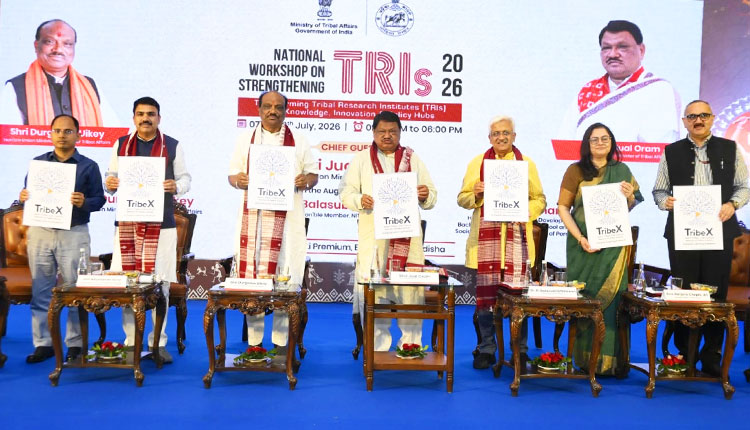
Bhubaneswar: The Ministry of Tribal Affairs today inaugurated a two-day National Workshop on Strengthening Tribal Research Institutes (TRIs) in Bhubaneswar, reaffirming the Government of India’s commitment to preserving tribal heritage and driving inclusive development.
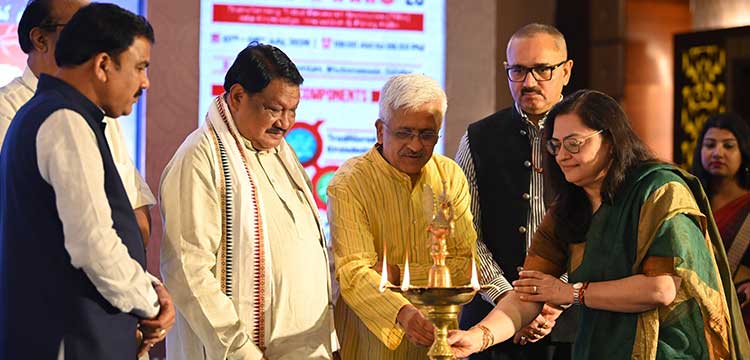
The workshop was inaugurated by Jual Oram, Union Minister for Tribal Affairs. Durgadas Uikey, Minister of State for Tribal Affairs; Dr R. Balasubramaniam, Member, NITI Aayog; Nityananda Gond, Odisha Minister for ST & SC Development; Ranjana Chopra, Secretary, Ministry of Tribal Affairs; and senior officials from the Centre and State were also present. The event began with the National Anthem, National Song and ceremonial lighting of the lamp.
Nearly 200 participants including representatives from TRIs across states, tribal welfare departments, academia, research institutions, technology organisations, industry and civil society are taking part in the workshop organized jointly with the Government of Odisha. 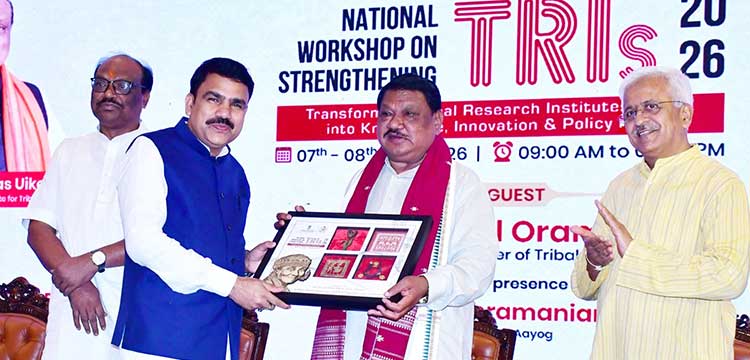 A major highlight of the inaugural session was the launch of TribeX, a digital learning platform to preserve and promote tribal arts, culture, languages and traditional knowledge. The platform will offer free certificate and UGC-aligned diploma courses through a Digital Academy, and will also host a Heritage Archive of tribal literature, oral traditions and cultural practices.
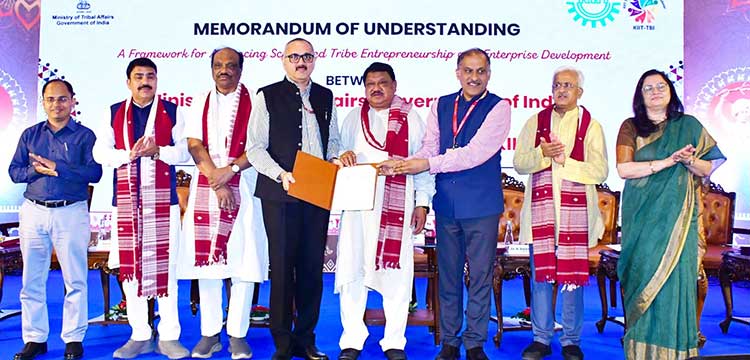
The Ministry signed an MoU with Sampurnanand Sanskrit Vishwavidyalaya, Varanasi to jointly develop UGC-recognised diploma programmes on tribal languages, traditional knowledge, arts, textiles and museology under TribeX.
Another MoU was signed with KIIT Technology Business Incubator, Bhubaneswar to identify, incubate and mentor tribal entrepreneurs through capacity building, market linkages and funding support.
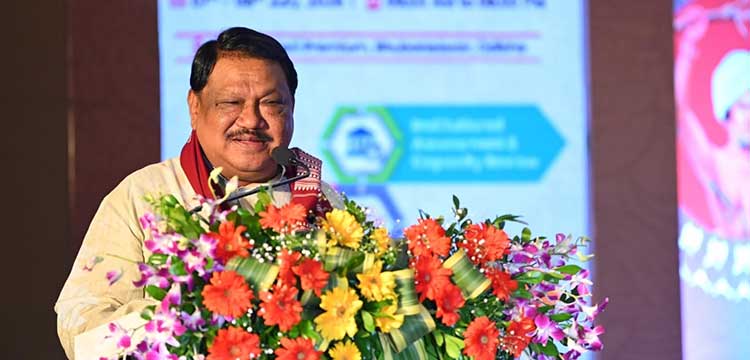
Addressing the gathering, Shri Jual Oram stressed the urgent need to document tribal languages and indigenous knowledge, noting that while some languages have scripts, many survive only through oral tradition. He said TRIs have a crucial role in engaging with communities and sharing best practices across states.
Durgadas Uikey said tribal development is now central to the vision of Viksit Bharat@2047 through initiatives like PM JANMAN, Dharti Aaba Janjatiya Gram Utkarsh Abhiyan and Eklavya Model Residential Schools. He urged TRIs to focus research on livelihoods, women’s empowerment, education, health, nutrition, climate resilience, digital inclusion and the Forest Rights Act. Dr R. Balasubramaniam called for TRIs to evolve into policy think tanks and centres of excellence that capture the lived experiences of tribal communities. He added that as AI transforms governance, data and research must remain rooted in community realities.
Nityananda Gond said Odisha is committed to making TRIs hubs for policy innovation, digital knowledge and interdisciplinary research covering education, nutrition, migration, climate and forest-based livelihoods, with the use of tools like GIS mapping and AI analytics.
Ranjana Chopra said the workshop would help address challenges faced by TRIs related to human resources and capacity, and its recommendations would shape a roadmap to transform them into vibrant centres of knowledge and policy support.
The first day featured presentations by TRIs on achievements and challenges, followed by four thematic breakout sessions on TRIs as knowledge centres, research and documentation, technology integration, and institutional strengthening. Discussions from these groups will be consolidated on day two, along with expert panels on research ecosystems and digital transformation. The workshop will conclude with the adoption of the Bhubaneswar Declaration and a shared roadmap for strengthening TRIs across the country.
